Michigan DevFest AI Hackathon project.
Michigan Travel AI (Hidden Gems)
Hackathon project designed to promote tourism to lesser-known locations by aggregating and analyzing data from sources like Yelp and Reddit, then using AI to generate personalized travel recommendations.

1 / 5
Project summary
AI-powered travel recommendation system using RAG and web-scraped data to surface lesser-known destinations in Michigan.
Hackathon project designed to promote tourism to lesser-known locations by aggregating and analyzing data from sources like Yelp and Reddit, then using AI to generate personalized travel recommendations.
What needed to be solved
Most travel platforms focus on popular destinations, surface the same recommendations repeatedly, and ignore local or lesser-known places.
- This limits tourism diversity.
- This reduces discovery of hidden gems.
How it was built
Key implementation decisions, system behavior, and workflow structure.
- Collected data from Yelp, Reddit, and public web content.
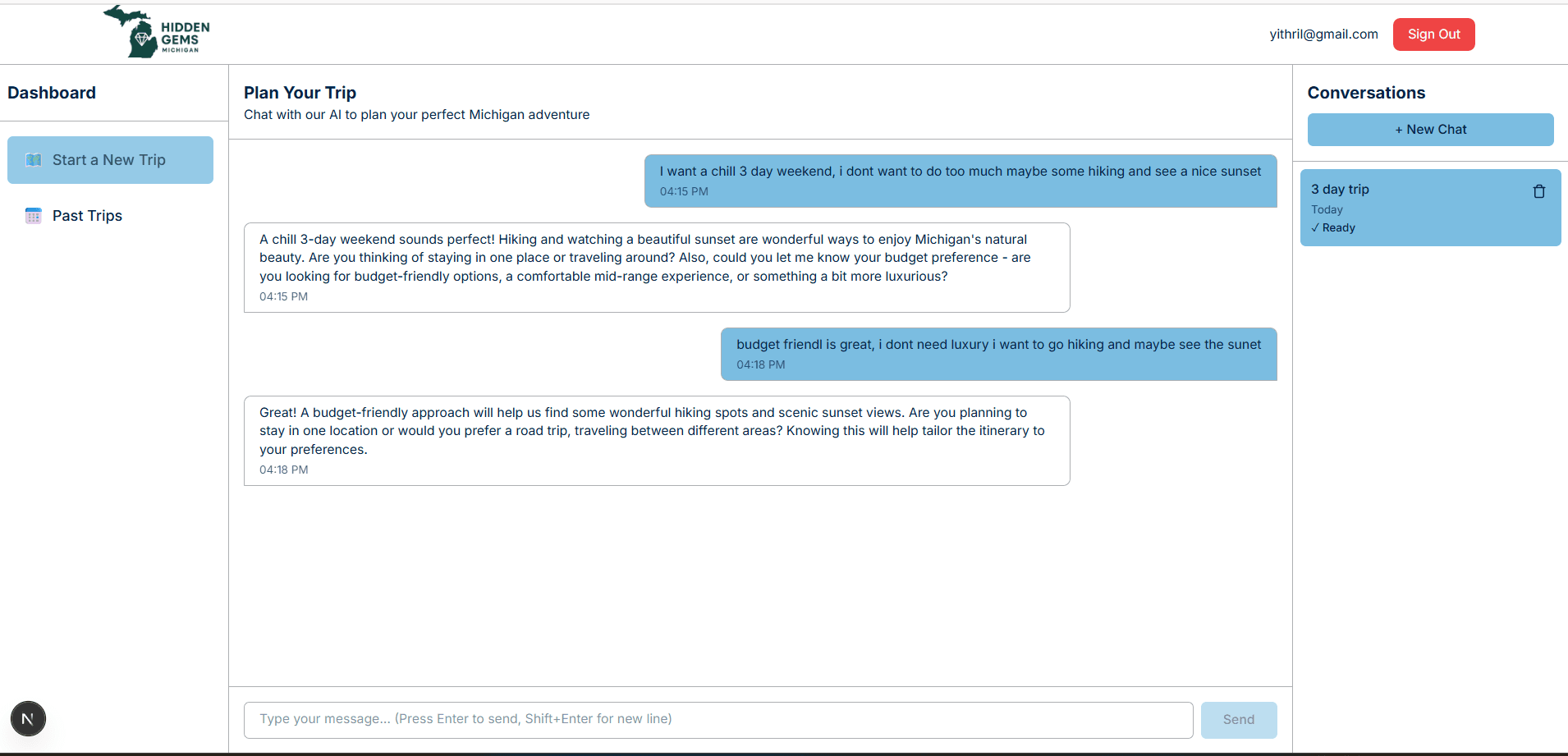
- Built a RAG pipeline that indexed scraped data and retrieved relevant context based on queries.
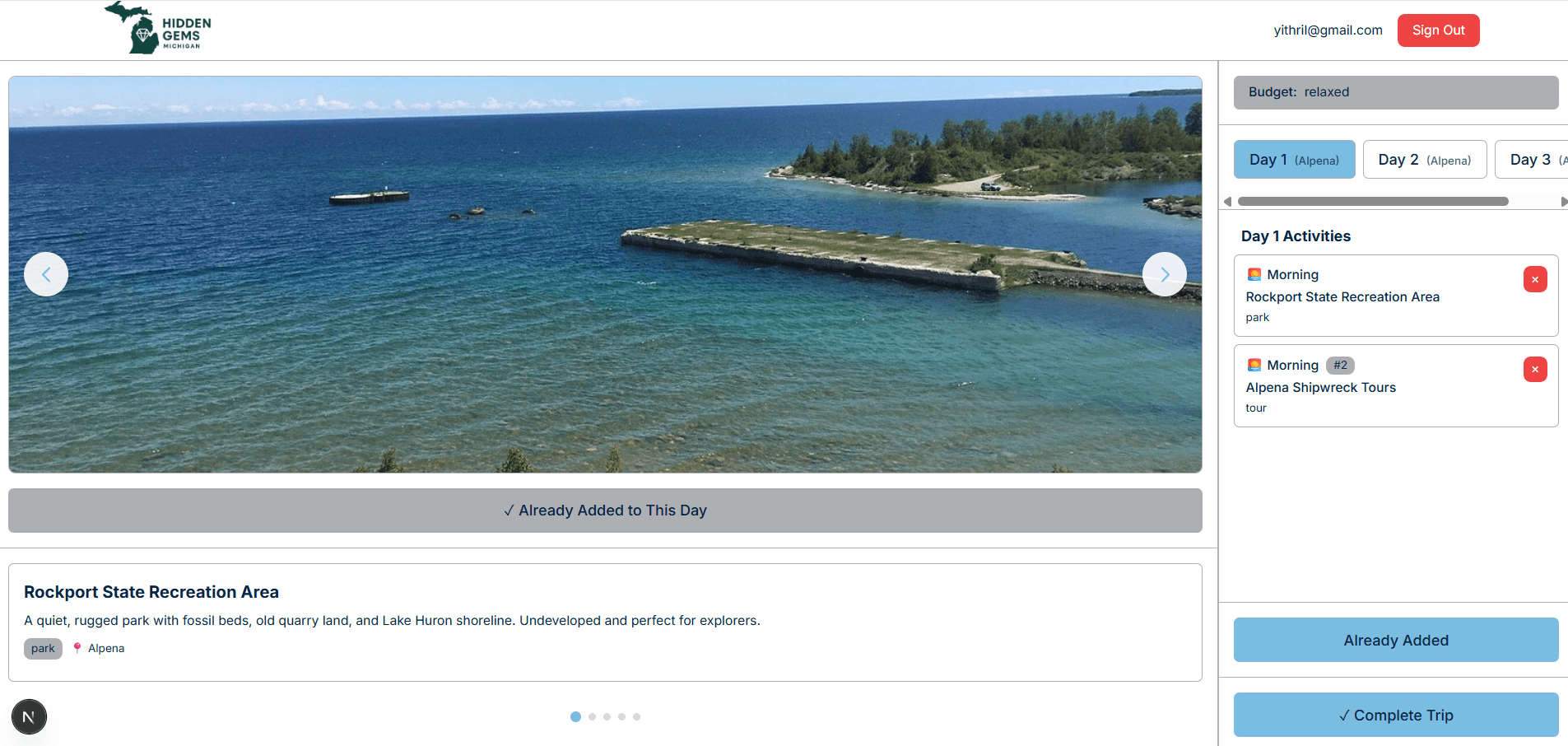
- Used AI to generate recommendations, summarize locations, and provide contextual suggestions.
- Focused on surfacing unique, lesser-known, locally relevant destinations.
Tools and platform choices
Core technologies used in the project.
- Next.js
- Supabase
- Web scraping pipelines
- RAG architecture
- Vector embeddings
- AI APIs
What mattered during implementation
Challenges, tradeoffs, and takeaways from the project.
Challenges / Tradeoffs
- Cleaning and normalizing inconsistent scraped data.
- Ensuring relevance and quality of recommendations.
- Avoiding generic or repetitive AI responses.
- Time constraints of hackathon development.
Outcome / Lessons
- RAG is effective for grounding AI in real-world data.
- Data quality has a major impact on output quality.
- Even simple pipelines can produce useful discovery tools.
- Hackathons are great for rapidly testing applied AI ideas.
Related projects
More systems and applied AI work in the portfolio.

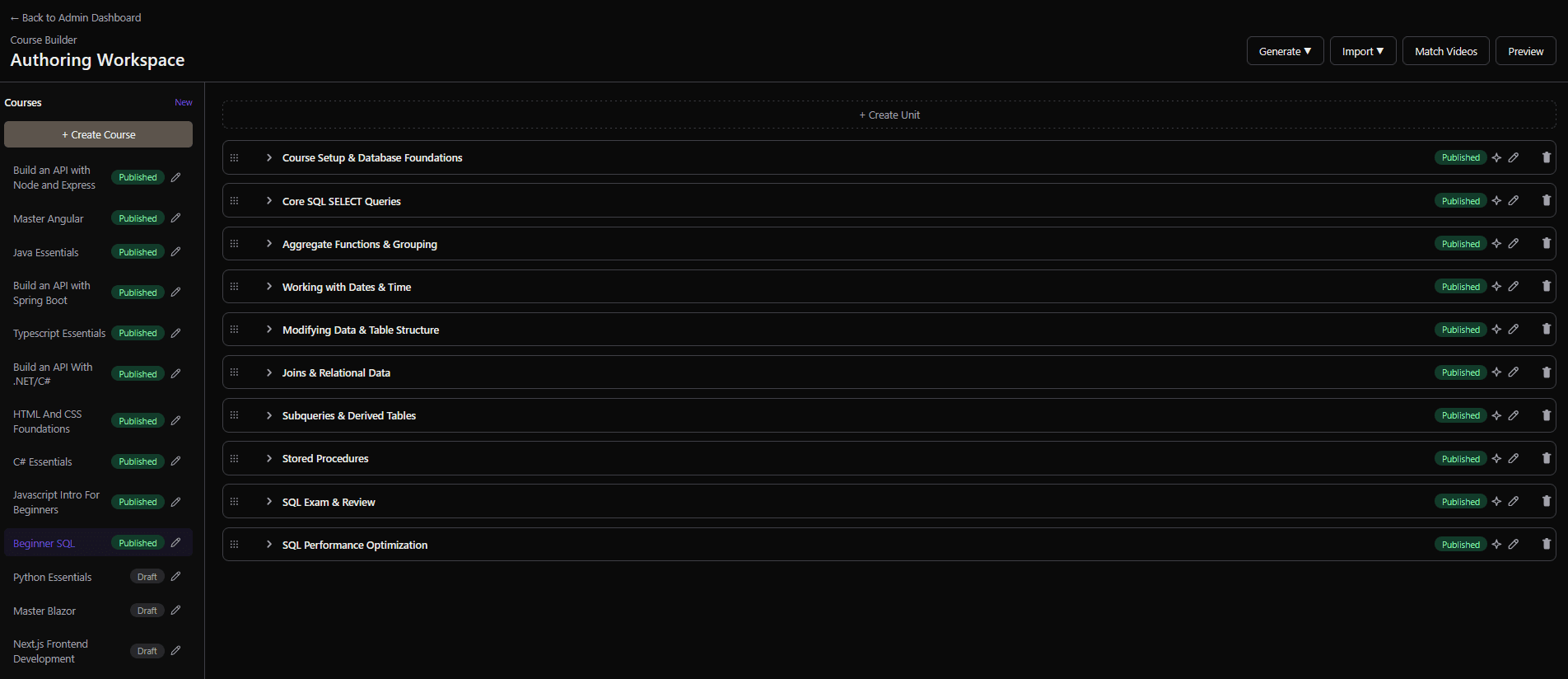
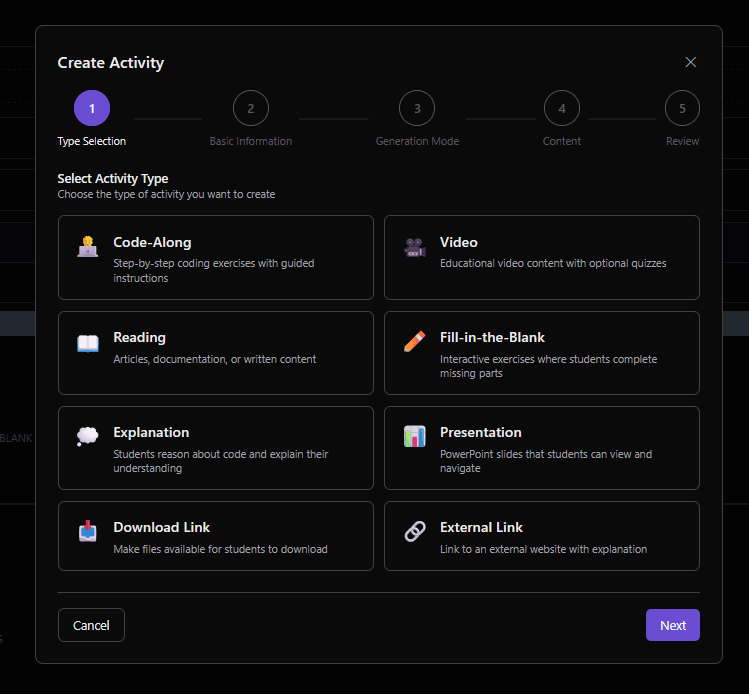
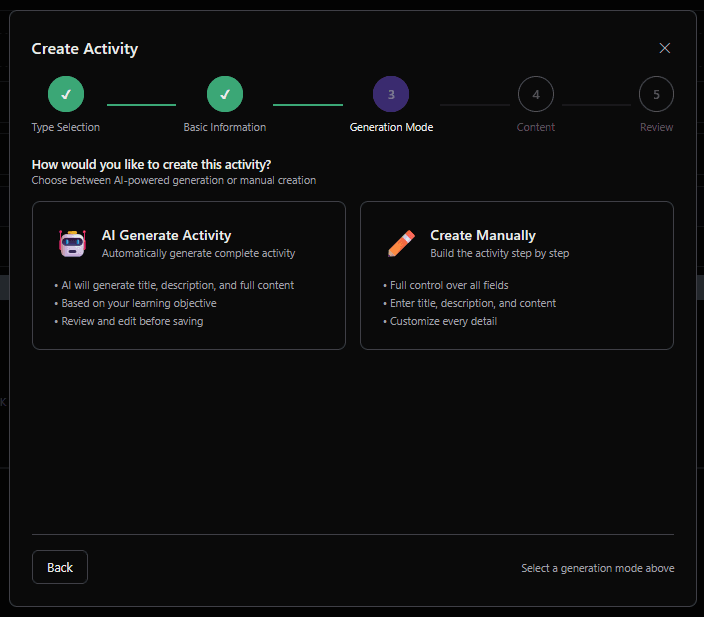
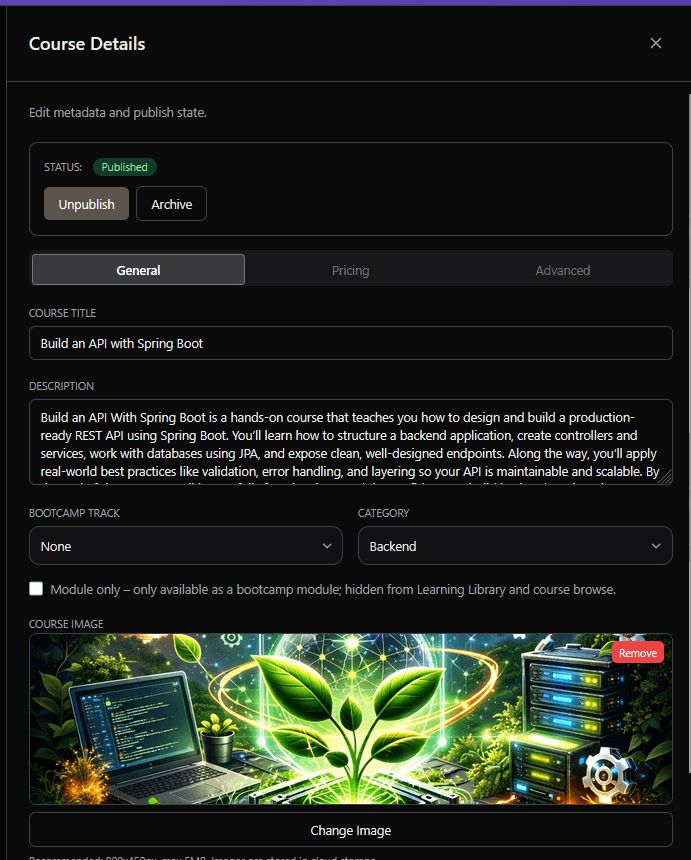
1 / 11
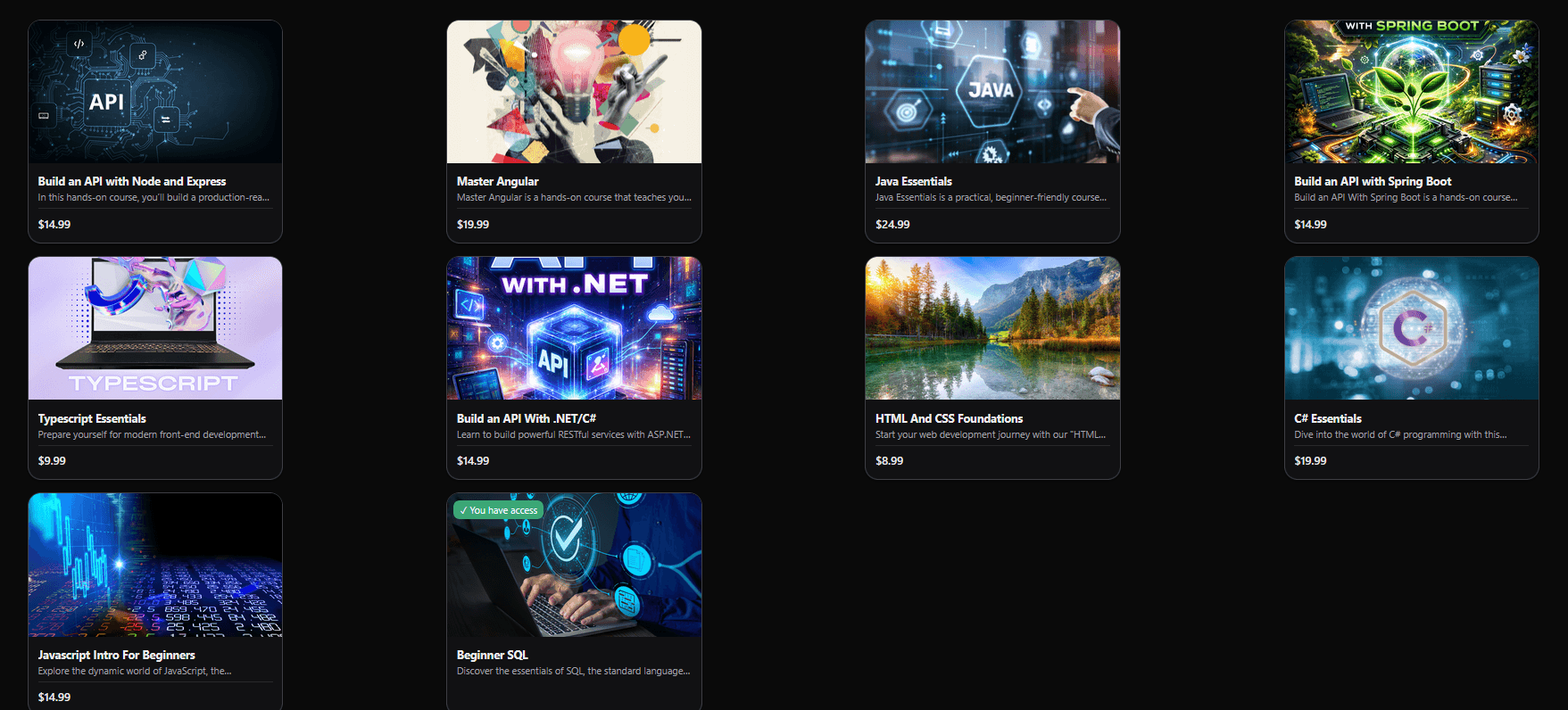
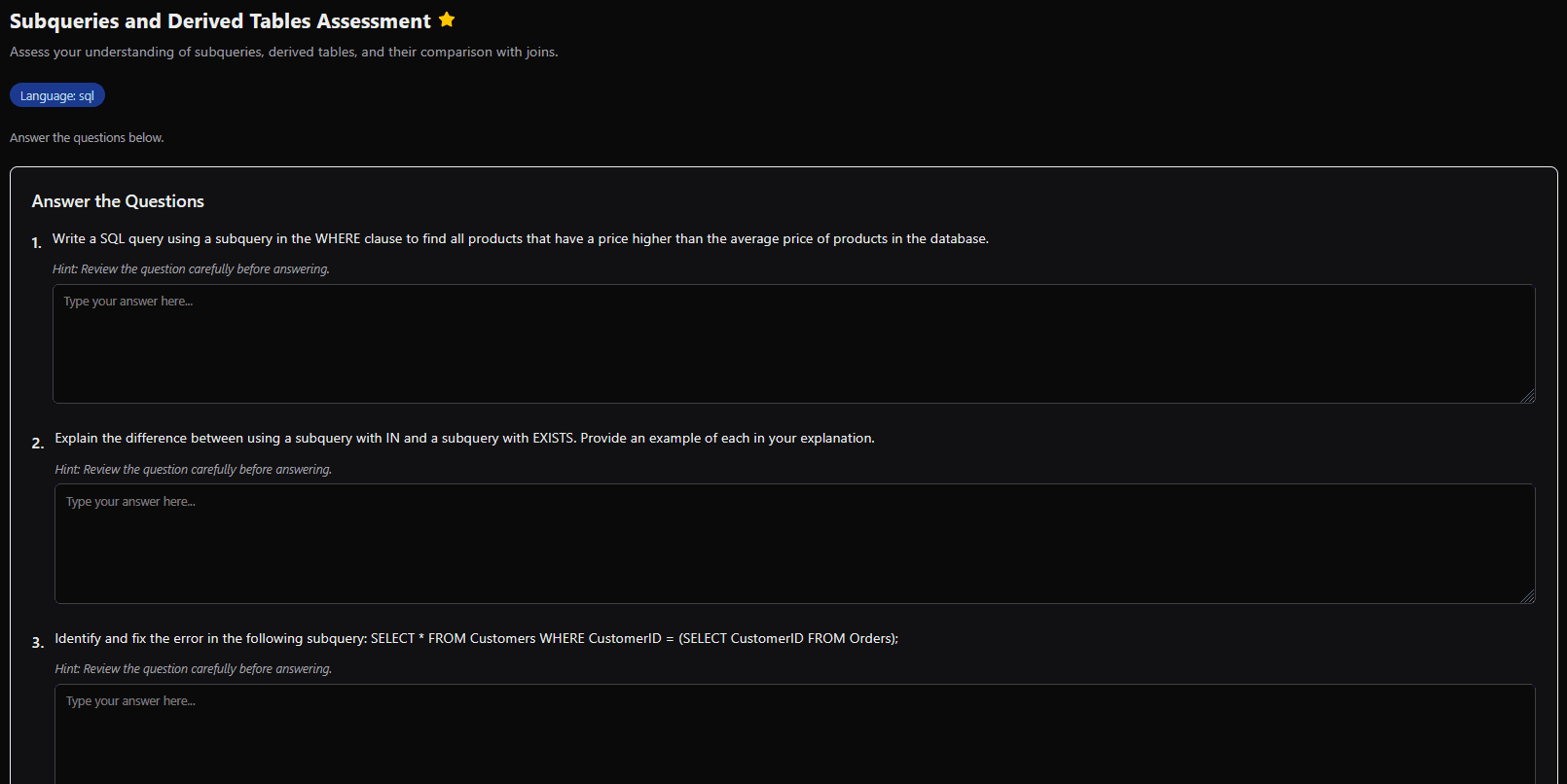
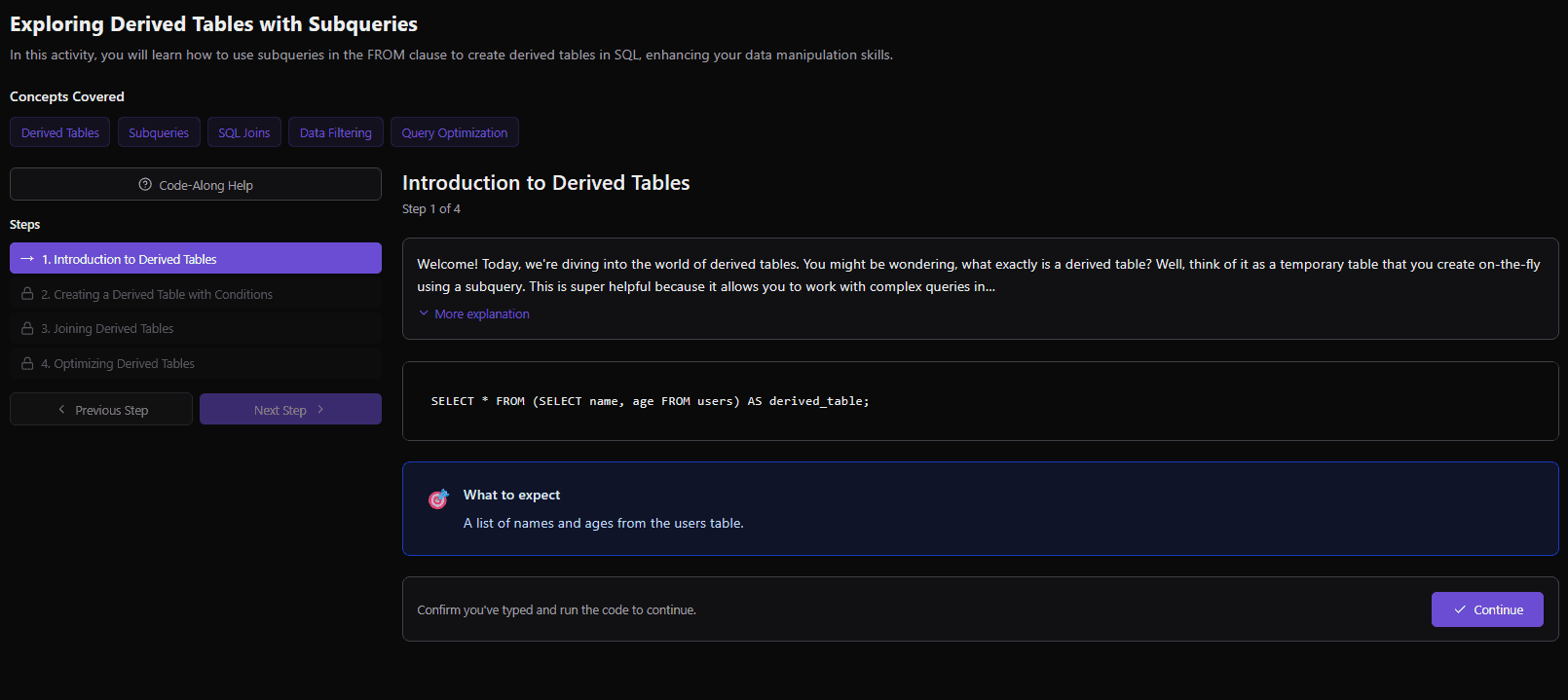
Coding Your Career
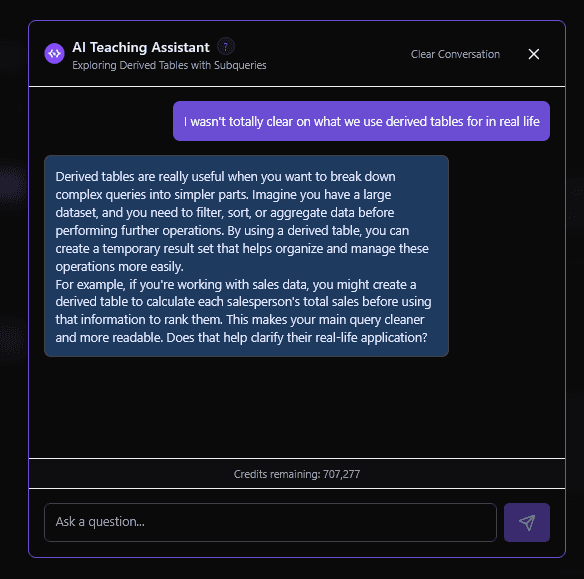
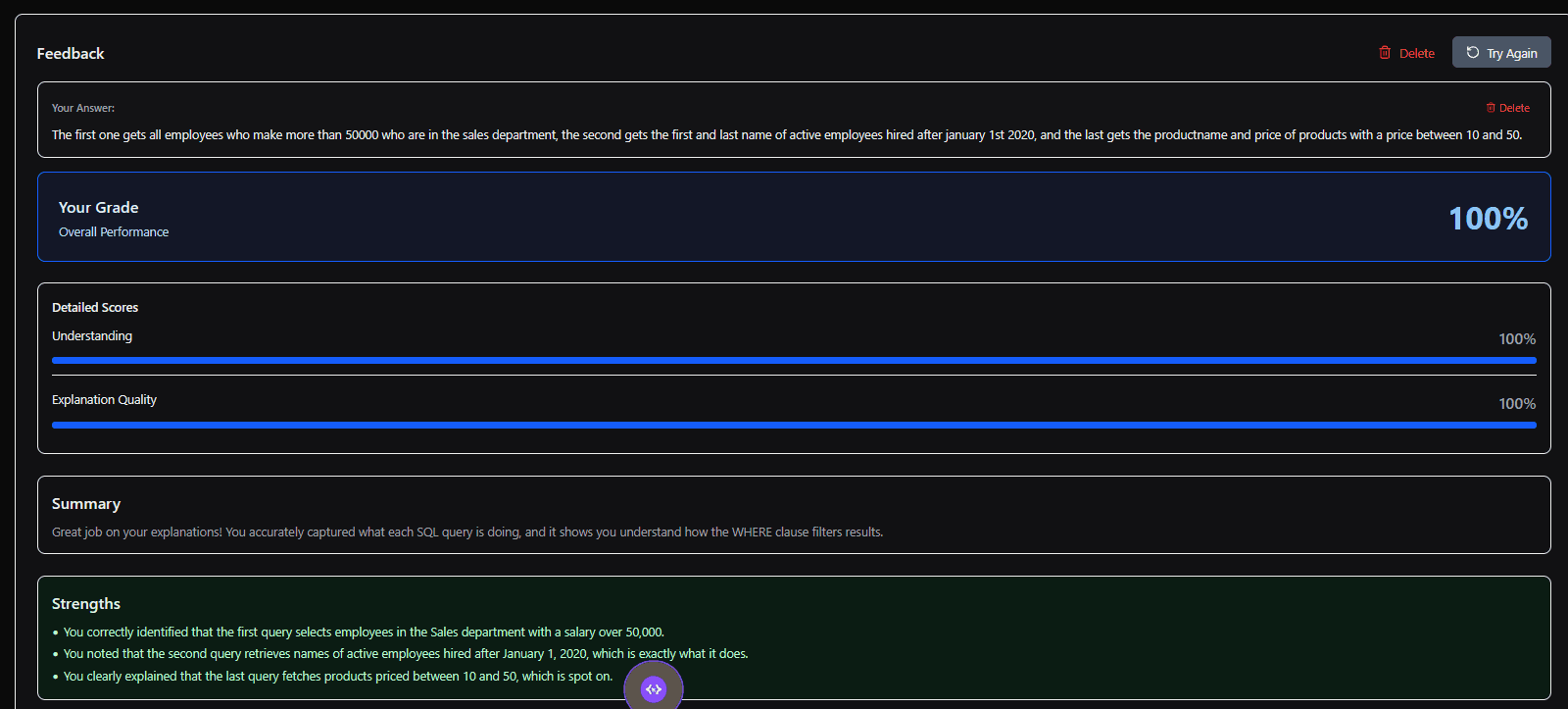
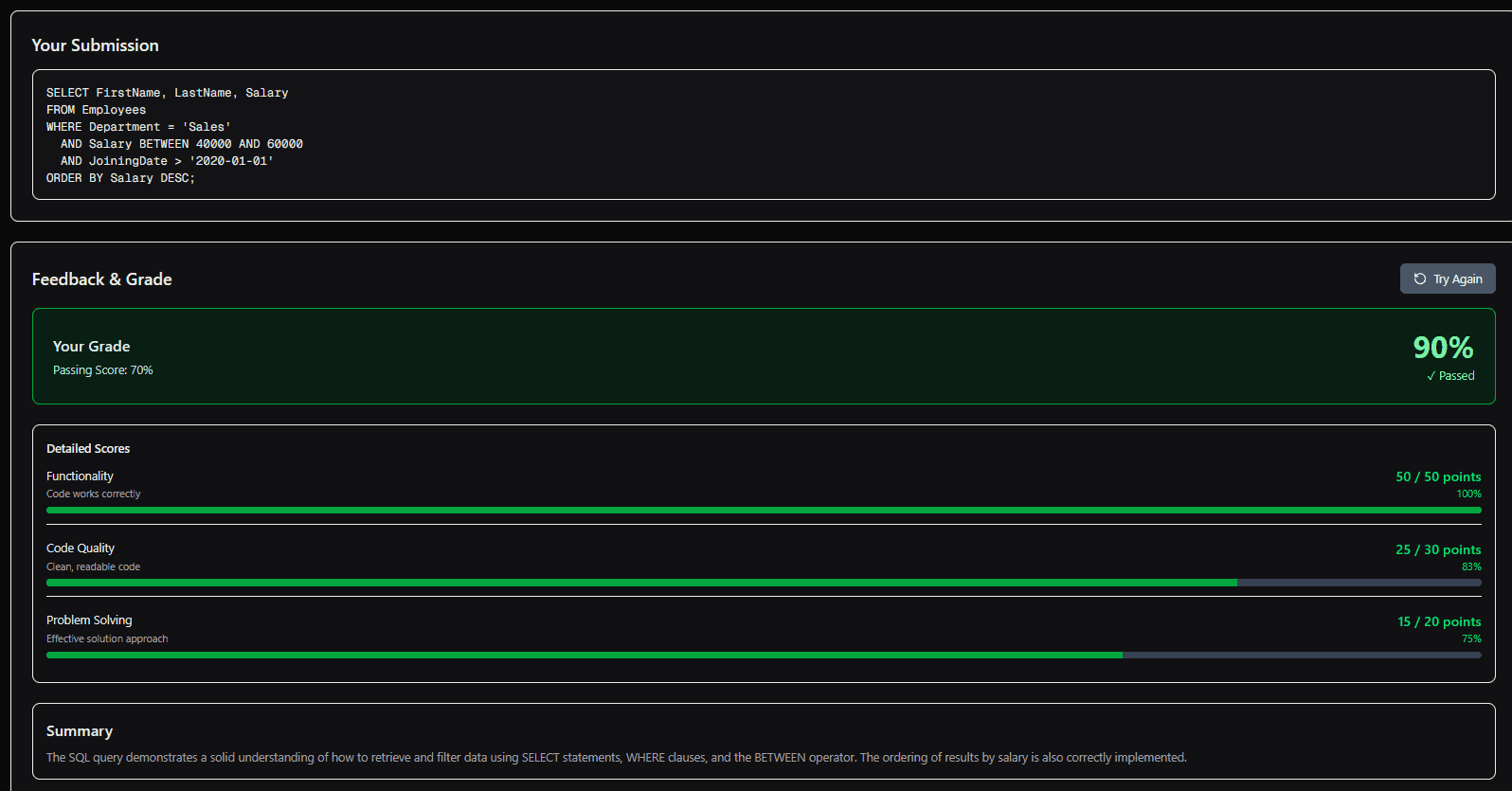
AI-powered learning platform with a custom LMS, AI teaching assistant, and automated content generation.
Custom LMS with AI teaching and grading workflows.




1 / 12
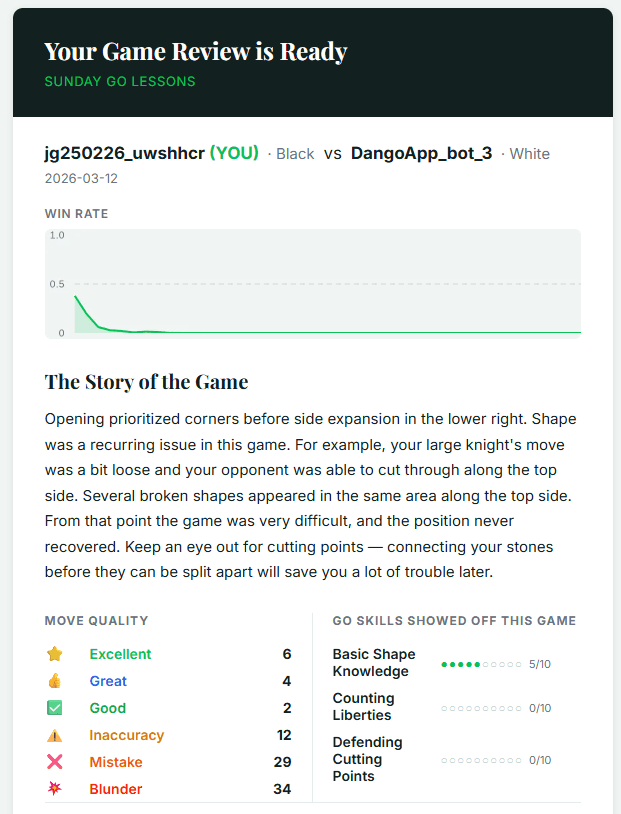
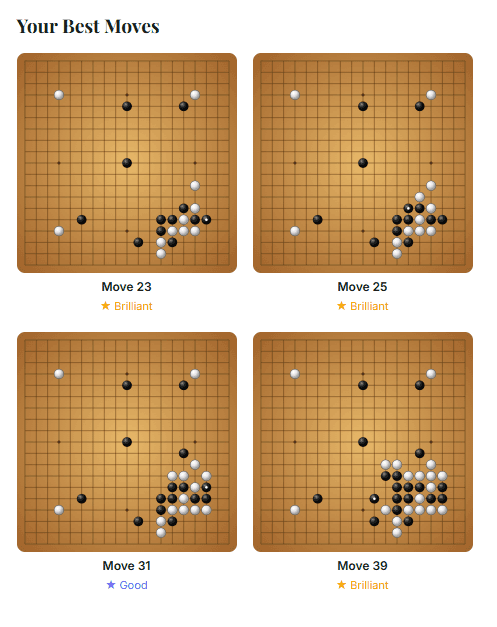
Sunday Go Lessons
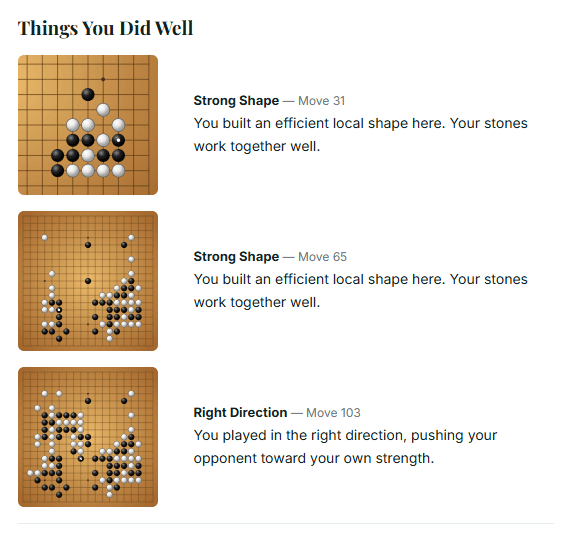
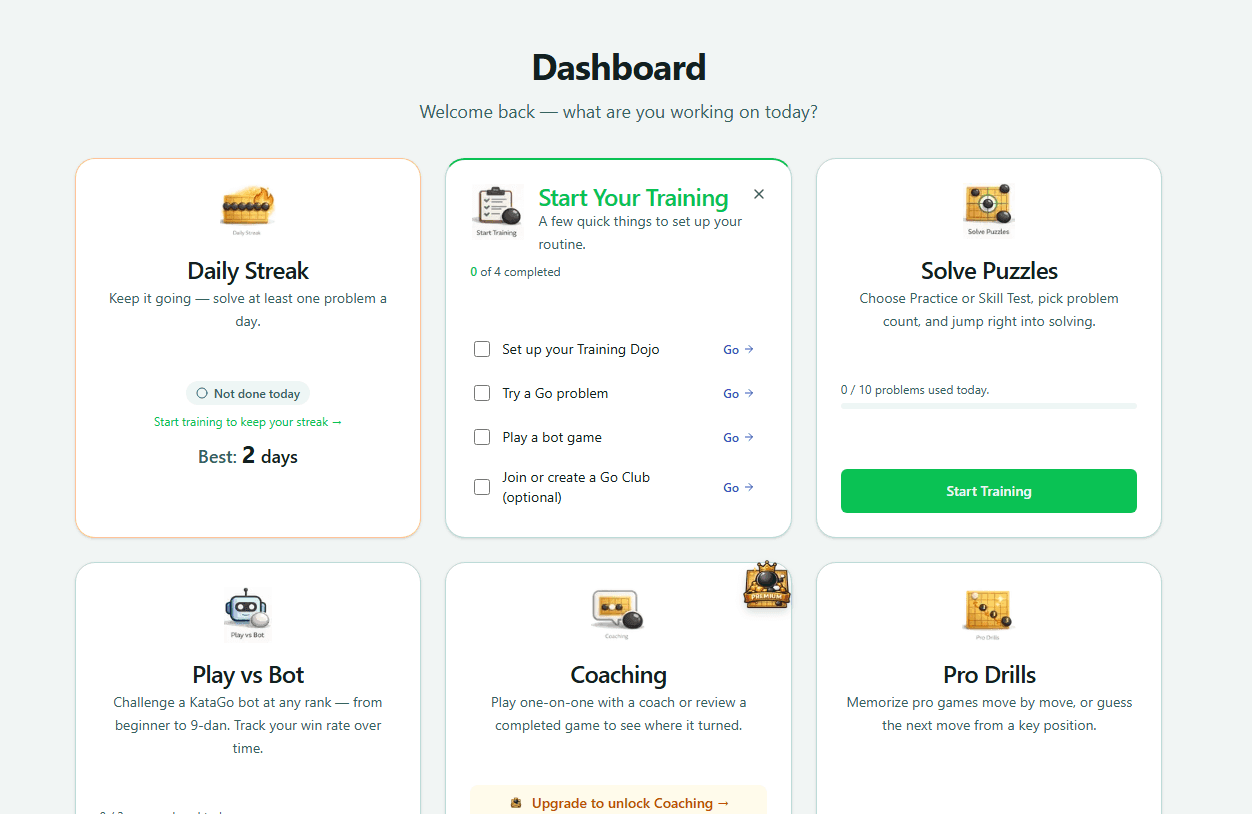
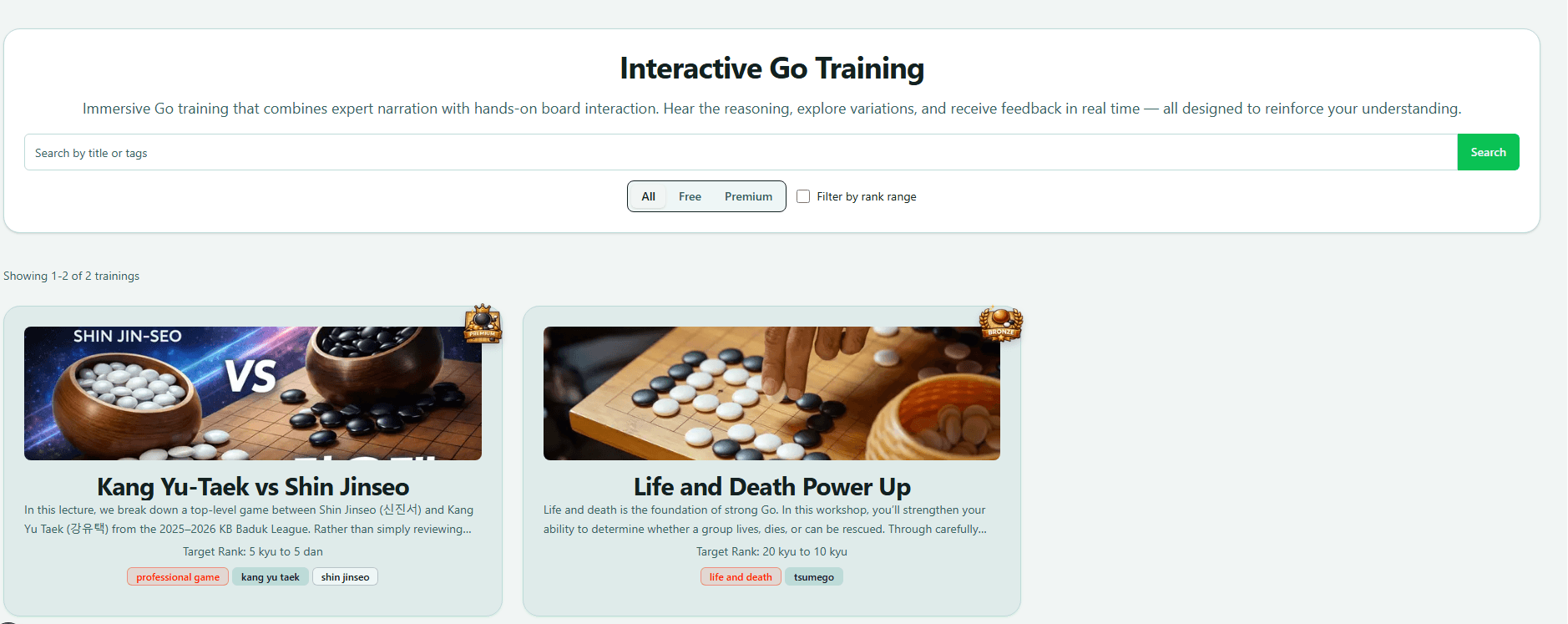
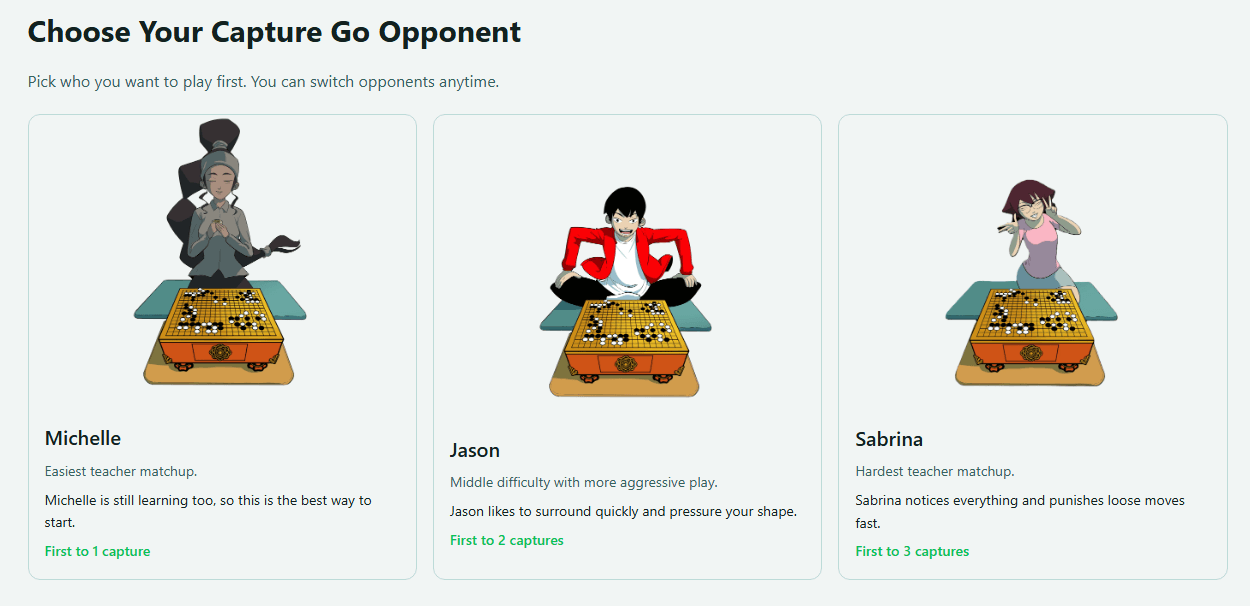
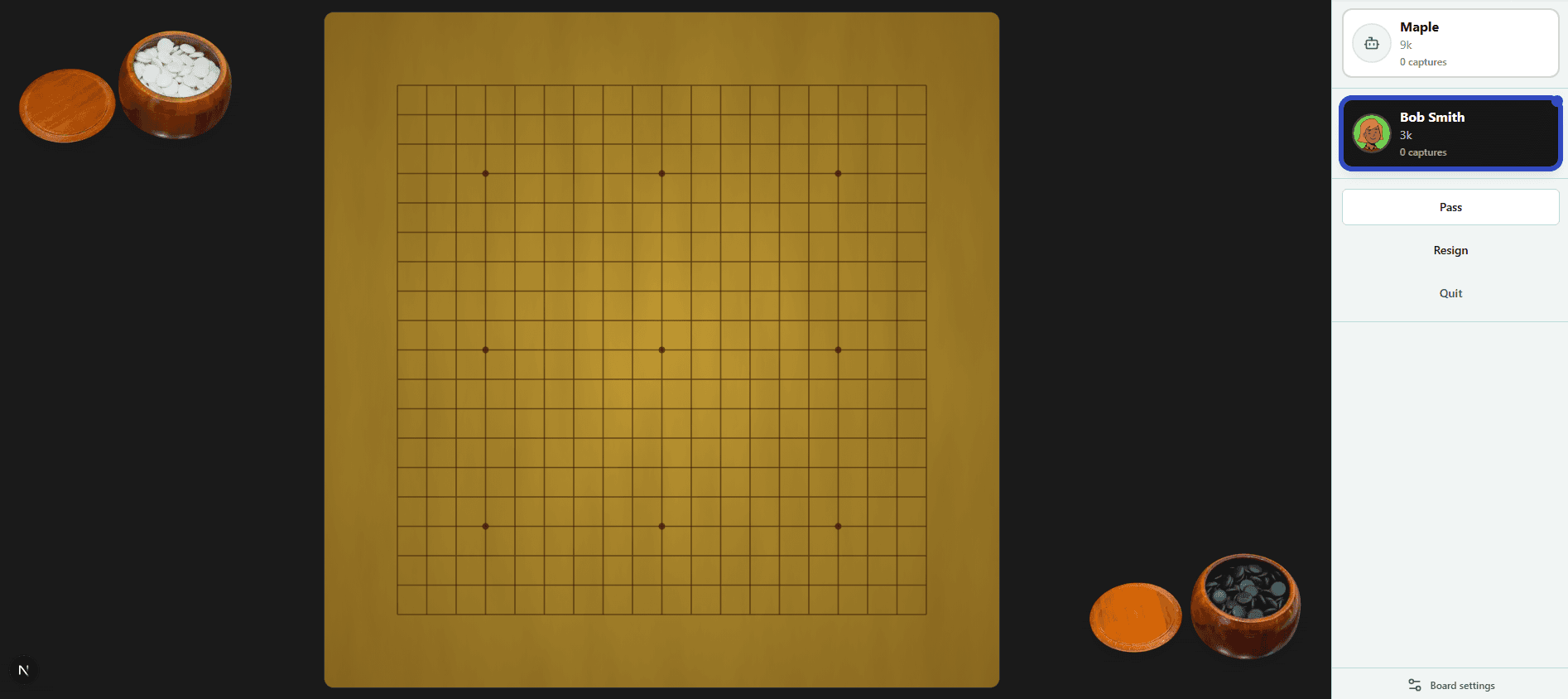
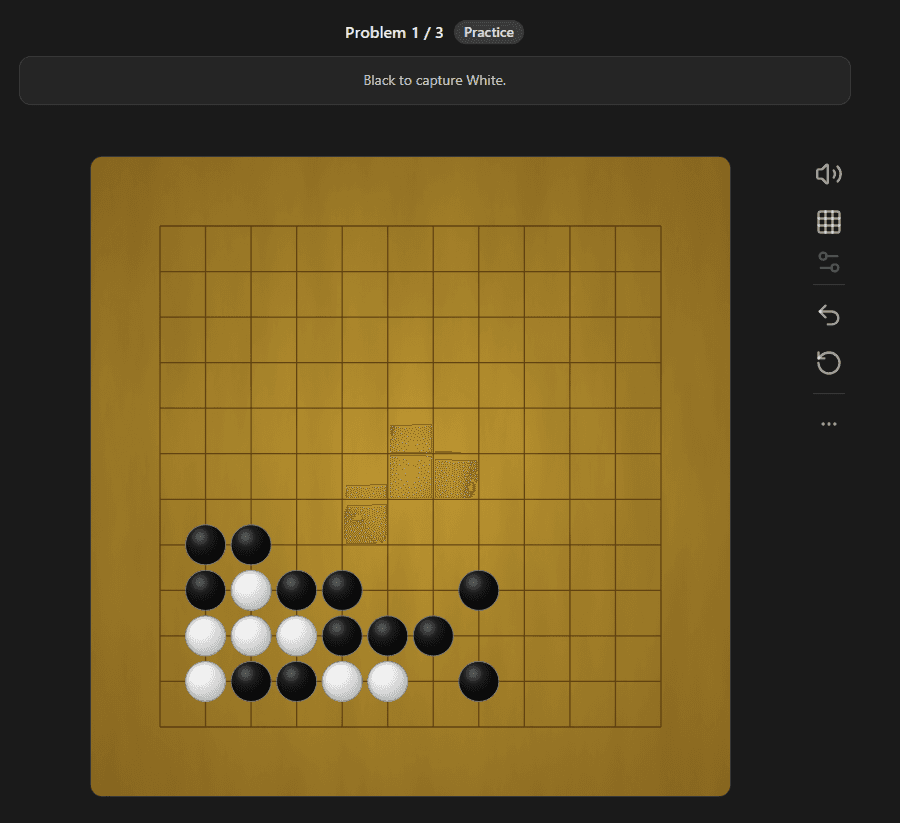
Go learning platform combining structured lessons, problem training, and AI-powered game analysis using KataGo.
Structured teaching plus AI-powered game analysis.

1 / 6
Workflow IQ
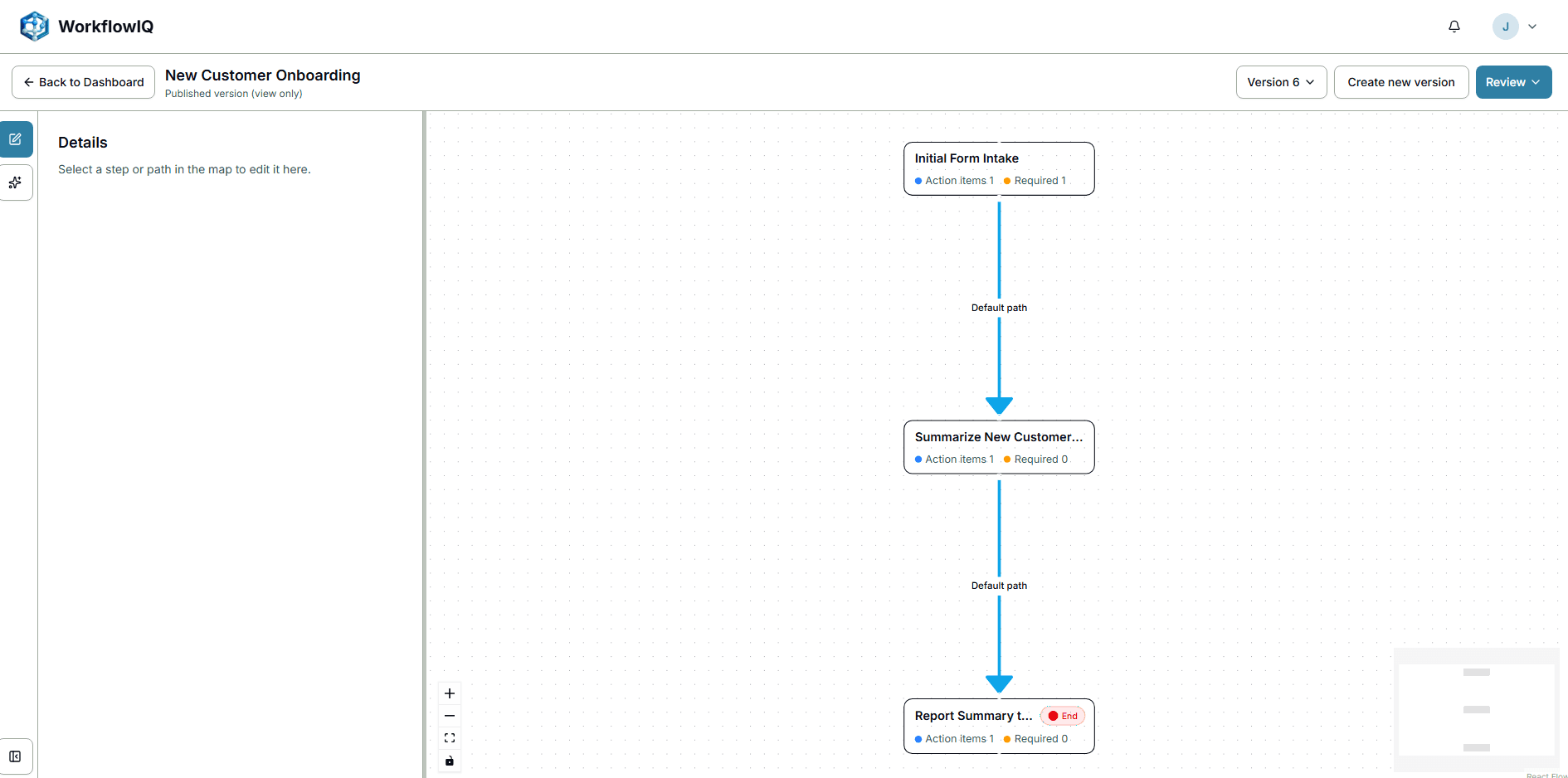
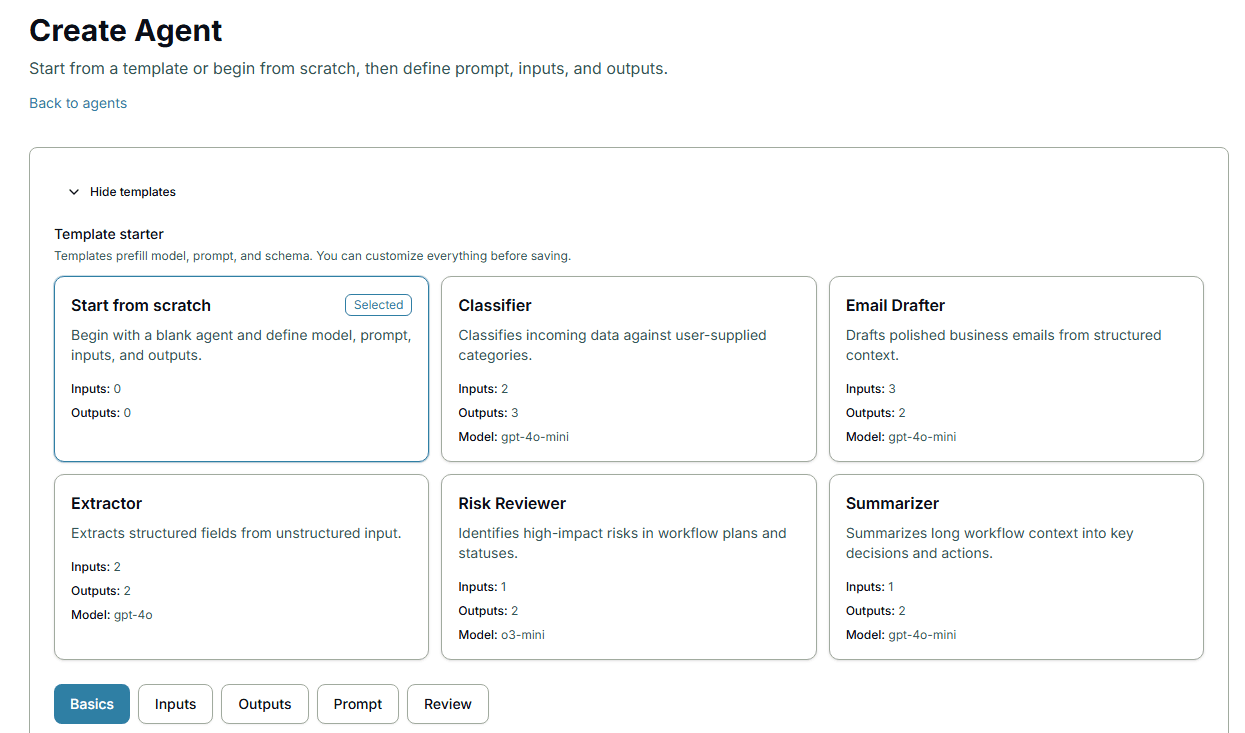
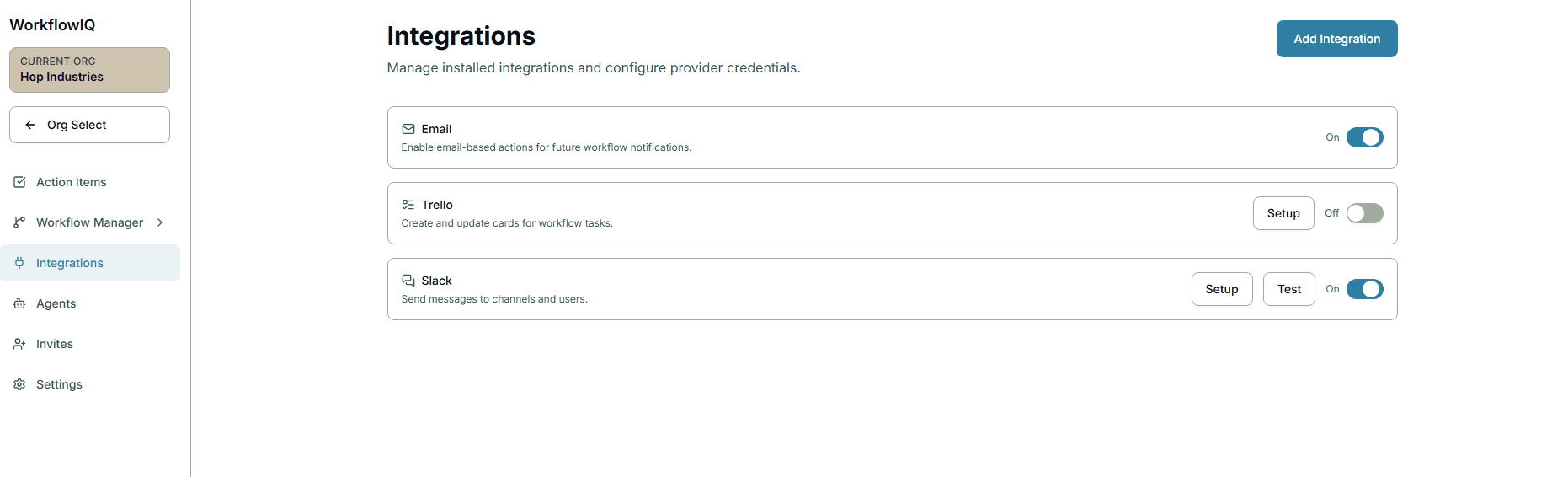
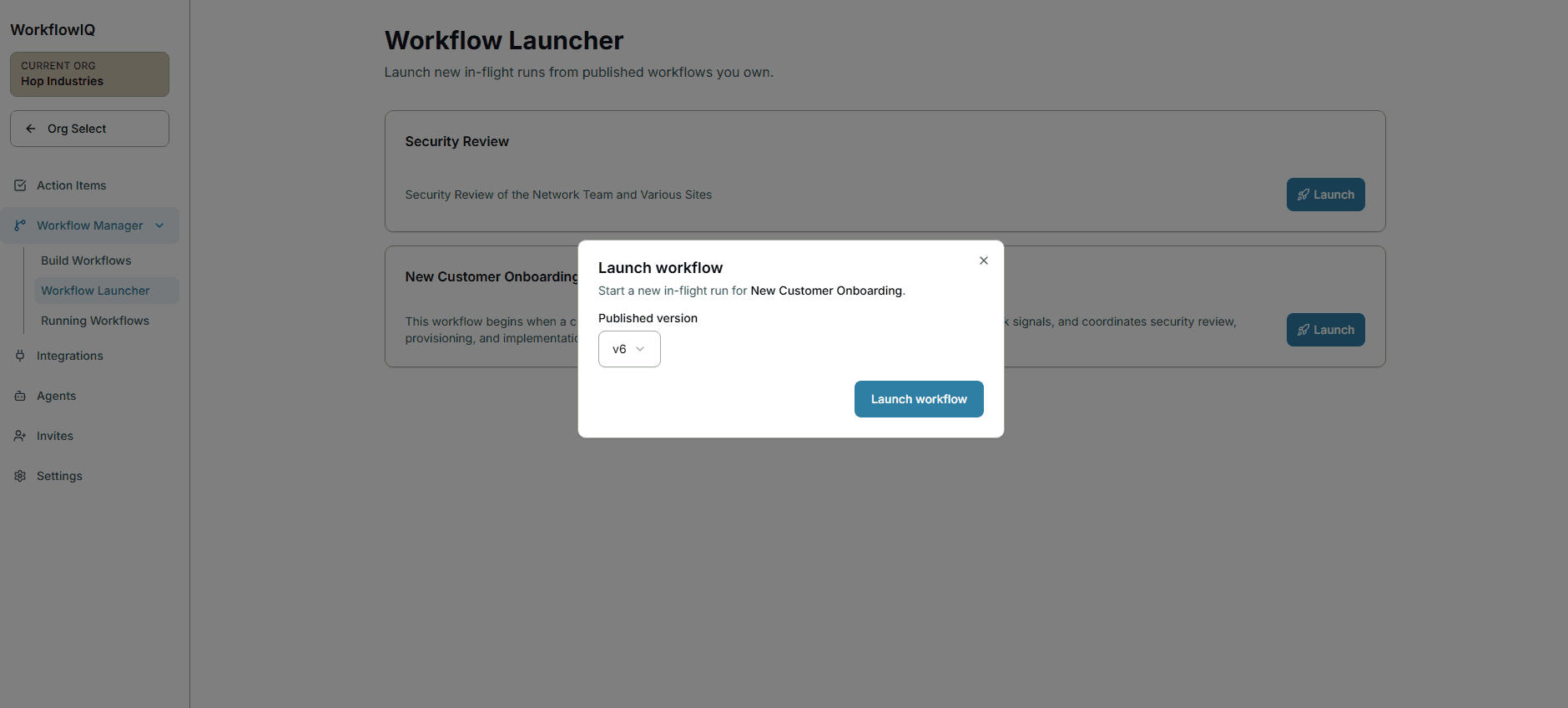
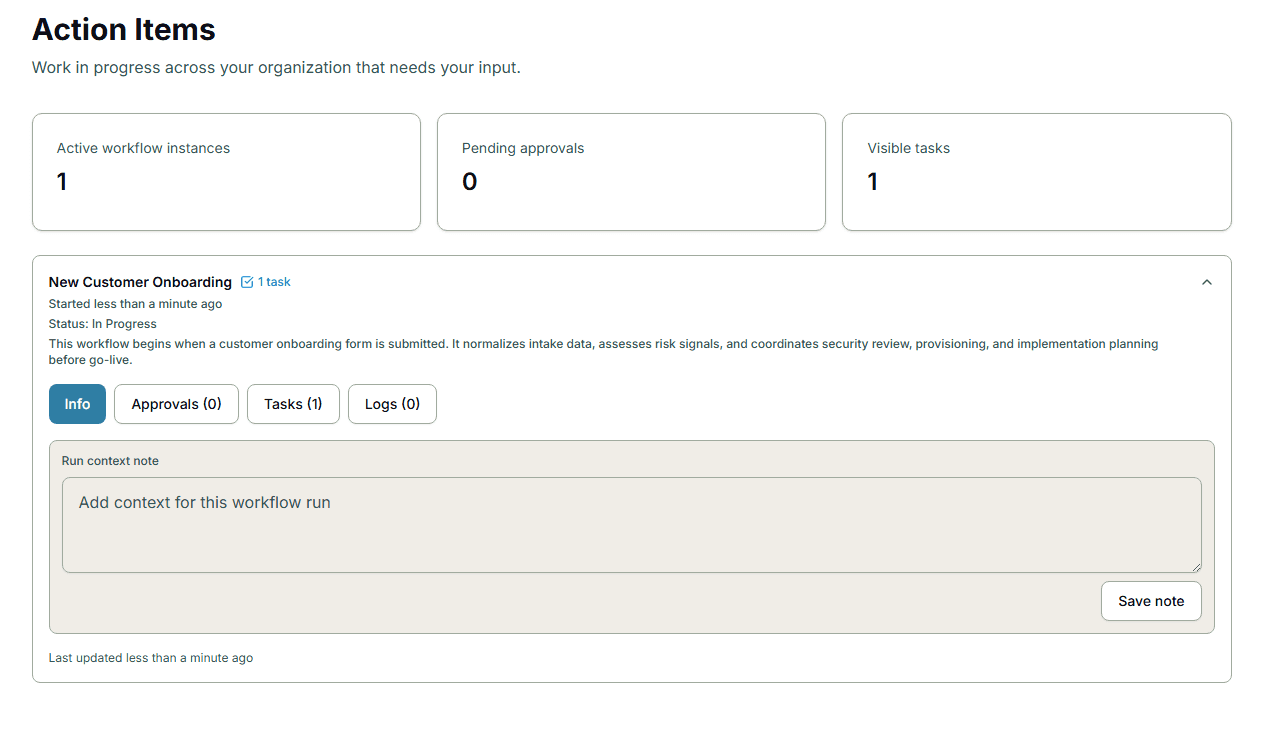
Agent-based workflow system using DAG architecture to safely constrain and orchestrate AI agents.
2nd place at Tetrate buildathon.